214-747-4110
163 Pittsburg Street, Suite A2, Dallas, TX 75207
940-383-4600
909 E. McKinney St., Denton, TX 76209
972-562-6057
1502 W. University Suite #101, McKinney, TX 75069
469-500-2212
550 Vigor Way, Suite 102, Rockwall, TX 75087


Blog
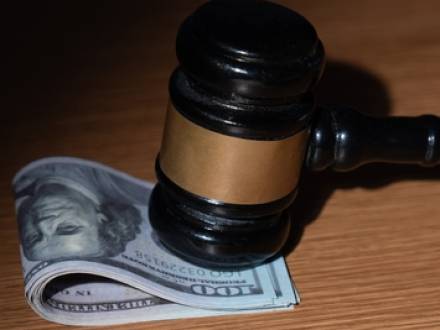 Judges in Texas have the power to increase bail after it has been set. This can even happen after the defendant has posted bond and been released. However, only specific circumstances can lead to an increase in bail.
If you’re concerned about bail in your or a family member’s case, a Collin County, TX bail bondsman can help you understand what might lead to a bail raise in 2026.
The Texas Code of Criminal Procedure, Article 17.09, allows a judge to order a defendant rearrested and required to post a new, higher bond. This can happen if the court finds the original bond was defective, insufficient in amount, or that the sureties (the person guaranteeing the bond, if one is used) were not acceptable. Any other "good and sufficient cause" may also be used. A judge can also order bail lowered if they find the amount excessive.
There are limits to a judge’s ability to raise bail. A judge cannot increase bail or order a defendant rearrested because the defendant decided to exercise their right to counsel. This could mean hiring a lawyer, requesting a court-appointed lawyer, or choosing to represent themselves.
A bail increase almost always traces back to a new event or piece of information that comes up after the original amount is set. The most common reasons include:
New criminal charges filed against the defendant while the case is pending, including a new arrest on a separate offense
A missed court date or a violation of a release condition, such as failing a required drug test or contacting someone a protective order prohibits
New evidence or testimony that makes the original offense look more serious than it appeared at the first hearing
A prosecutor formally challenging the original bail amount as too low
Updated background information showing the defendant has an active warrant, is on parole or community supervision, or has another pending case the court didn't know about at the first hearing
Any one of these can prompt a judge to revisit the bond and decide the original amount no longer reflects the actual risk involved.
Texas law has a list of things for the court to consider when setting bail. These include whether the bail amount gives reasonable assurance that the defendant will appear in court and the defendant's ability to actually pay the bail amount. The nature and circumstances of the offense will also be considered, i.e., whether the offense involved violence.
The court will also consider the defendant's criminal history and ties to the community. If a person has strong family or other ties to their location and is not a repeat offender, they will often get lower bail amounts.
A higher bail amount usually means a higher fee to secure a bond. The person who was arrested may be taken into custody again while the new bail amount is determined. If you cannot pay the bail outright, speak to a bail bondsman about the situation to figure out how to secure release from custody as soon as possible.
If you choose to get the help of a bail bondsman, try to find out why the increase happened. Was it a missed court date? A new charge? A judge who found the original bond insufficient? Knowing the reason can help you and your bondsman figure out the fastest path forward.
Having a good bail bondsman can be a big help if you find out that bail has been raised. Before our Collin County, TX bondsman started his bail bonds company, he spent years as a general manager for a professional baseball team, building strong teams and learning how to navigate complicated situations under pressure. He uses that same approach to work out the best solutions for families who need to post bail.
Call Doc's Bail Bonds at 214-747-4110 to discuss your situation.


With seven offices in 6 counties, Doc's Bail Bonds serves the following areas, including but not limited to Dallas, Denton, McKinney, Bonham, Garland, Sherman, Allen, Frisco, Richardson, Carrollton, Irving, Mesquite, Farmers Branch, Flower Mound, Lewisville, The Colony, Rockwall, Dallas County, Fannin County, Denton County, Collin County, Rockwall County and Grayson County.




 The use of the Internet or this form for communication with the firm or any individual member of the firm does not establish an attorney-client relationship. Confidential or time-sensitive information should not be sent through this form.
I have read and understand the Disclaimer and Privacy Policy.