214-747-4110
163 Pittsburg Street, Suite A2, Dallas, TX 75207
940-383-4600
909 E. McKinney St., Denton, TX 76209
972-562-6057
1502 W. University Suite #101, McKinney, TX 75069
469-500-2212
550 Vigor Way, Suite 102, Rockwall, TX 75087


Blog
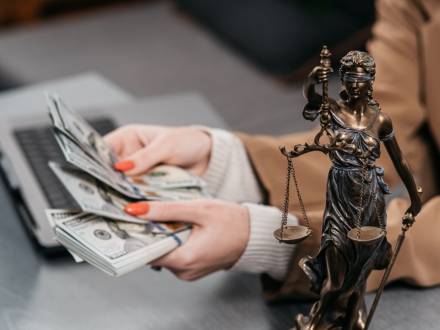
A family member, friend, or another person can pay a bail bond fee in Texas. The person paying does not have to be the defendant or a relative. Paying the fee and co-signing the bond are two different things. If you co-sign, you agree to cover certain costs under the bond agreement. If you need to post bail in 2026, our Collin County, TX bail bondsman can explain the costs and obligations before anyone signs.
Under Texas Code of Criminal Procedure Article 17.02, bail helps ensure that someone accused of a crime returns to court. A defendant can pay the full bail amount or work with a bail bondsman. In Collin County, the sheriff’s office accepts cash bail.
A bondsman posts a surety bond in exchange for a fee, often called a premium. The fee is usually a percentage of the bail amount. Once the bond is posted, that fee is ordinarily nonrefundable, even if the case is dismissed.
Cash bail is different. The court can order its return after the defendant meets the bond requirements, minus any authorized administrative fee. Collin County regulates local bail bond companies through its bail bond board.
Paying the premium does not automatically make someone a co-signer. For example, a parent can pay for a child's release while another person signs the financial agreement.
A co-signer, also called an indemnitor, agrees to repay the bondsman for losses covered by the contract. Some bondsmen require a co-signer, while others set different conditions based on the bond and the defendant's circumstances.
Before paying, ask whether you are signing only a payment receipt or accepting a separate financial obligation. The answer should be clear in the paperwork.
If the defendant misses a required hearing, the bond can be forfeited. That means the court begins a process to collect the bond amount. The bondsman can then seek reimbursement from a co-signer according to the indemnity agreement.
The agreement might also cover reasonable costs of locating the defendant. If you put up cash, a vehicle, or other property as collateral, you could lose it if you don’t pay what you owe under the agreement.
Signing does not mean the court immediately collects the full amount after one missed appearance. A forfeiture has its own legal process.
Review the contract and ask these questions:
What is the total premium, and when does it become nonrefundable?
Will I owe anything beyond the premium?
What collateral is required, and when will it be returned?
What happens if the defendant misses court?
Are there check-in, address-update, or travel requirements?
When does my financial responsibility end?
Keep copies of signed agreements, receipts, and collateral documents. Understanding these details before release can prevent disputes later.
Under Texas Code of Criminal Procedure Article 22.02, if a defendant misses a required court date, the court can issue an initial order to collect the bond amount. That order does not require immediate payment. Before the court makes it final, the bail bondsman has a chance to show why the bond amount should not be collected.
Contact the bondsman and defense attorney promptly after a missed appearance. In some cases, the court can cancel the order or reduce what the bondsman owes. Court costs and other charges can still apply. In certain situations, the court can return part of the amount after costs.
Missing court can also create a separate charge if the failure was intentional or knowing. Under Texas Penal Code § 38.10, a reasonable excuse can provide a defense. An unexpected illness is different from deliberately avoiding court, although the circumstances still need review.
Texas law allows a bail bondsman to return a defendant to custody before the bond is forfeited. This can end the bondsman's responsibility for future court appearances once the legal requirements are met.
If a co-signer is worried that the defendant will miss court, they should contact the bondsman. However, asking to be removed from the bond does not automatically end the co-signer's financial responsibility.
Doc understands how important it is for families to secure a loved one's release from jail as quickly as possible. With a background in professional baseball management, he brings years of leadership experience to his bail bond business. He helps clients navigate the bonding process, understand their financial obligations, and make informed decisions during a stressful time.
If you are helping someone post bail in 2026, understanding what you are paying and signing can protect your finances. Contact Doc's Bail Bonds at 214-747-4110 to talk to our Collin County, TX bail bondsman today.


With seven offices in six counties, Doc's Bail Bonds serves the following areas, including but not limited to Allen, Anna, Blue Ridge, Bonham, Carrollton, Celina, Dallas, Denton, Fairview, Farmers Branch, Farmersville, Flower Mound, Frisco, Garland, Irving, Josephine, Lavon, Lewisville, Lowry Crossing, Lucas, McKinney, Melissa, Mesquite, Murphy, Nevada, New Hope, Parker, Plano, Princeton, Prosper, Richardson, Rockwall, Sherman, The Colony, and Weston, Wylie, as well as Collin County, Dallas County, Denton County, Fannin County, Grayson County, and Rockwall County.




 The use of the Internet or this form for communication with the firm or any individual member of the firm does not establish an attorney-client relationship. Confidential or time-sensitive information should not be sent through this form.
I have read and understand the Disclaimer and Privacy Policy.