214-747-4110
163 Pittsburg Street, Suite A2, Dallas, TX 75207
940-383-4600
909 E. McKinney St., Denton, TX 76209
972-562-6057
1502 W. University Suite #101, McKinney, TX 75069
469-500-2212
550 Vigor Way, Suite 102, Rockwall, TX 75087


Blog
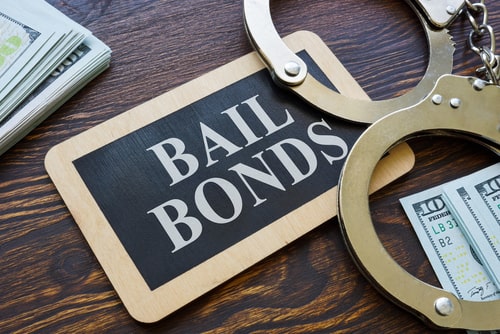 Skipping bail can set several things in motion in Texas. The court may begin the bond forfeiture process, a capias may be issued for your arrest, and an intentional or knowing failure to appear can lead to a separate criminal charge. These consequences do not necessarily all happen on the same day.
If you missed a setting in 2026, our Bonham, TX bail bond professional will walk you through what comes next and help you get ahead of it.
Under Texas Code of Criminal Procedure Article 22.02, your name is called at the courthouse door. If you do not appear within a reasonable time after that call, the judge enters a judgment that the State of Texas recover the full bond amount from you and from your surety.
That first judgment is called a judgment nisi, which means "judgment unless." It becomes final, unless a good cause is shown for why you did not appear, so there is still a window where the outcome is not fixed.
A warrant can follow the forfeiture. Texas Code of Criminal Procedure Article 23.05 says that when bail is forfeited, a "capias" shall be issued for your arrest. A capias is simply a court order directing any police officer to pick you up and bring you before the judge. The statute requires it to be issued no later than the 10th business day after the court orders the forfeiture. That warrant can remain active until it is resolved, which means you could be arrested later during a traffic stop, at work, or at home.
You can be charged with a separate offense if you skip bail. Texas law makes it a crime for someone lawfully released on bail to intentionally or knowingly fail to show up to court.
If the underlying offense was punishable by fine only, the new charge is a Class C misdemeanor. For most other misdemeanors, it is a Class A misdemeanor, carrying up to a year in jail and a fine of up to $4,000. If the underlying case was a felony, failure to appear becomes a third-degree felony.
The law requires that not showing up to court must be intentional or knowing, which means an honest mistake is not automatically a crime. The law also provides a defense when the person had a reasonable excuse for not appearing, and another when the appearance was tied to community supervision, parole, or an intermittent sentence.
A forfeited bond can often be fixed, but only if you act before the judgment becomes final. Once the court forfeits the bond, a warrant goes out. A separate process works the other direction, letting a bondsman ask for a warrant and surrender the defendant before any forfeiture happens.
A written motion filed after the forfeiture but before final judgment allows the court to return the bond to the surety if the defendant is released on new bail or the case is dismissed. The court first subtracts court costs, the county's reasonable costs of bringing the defendant back, and any interest that has built up. A judge can also return some or all of the bond for other good reasons, again only before final judgment.
Some situations wipe out the bond completely. That includes a bond that was never valid to begin with and the death of the defendant before the forfeiture was taken. The state also has four years from the missed court date to bring a forfeiture action.
Doc's Bail Bonds has seven offices across six counties, and Doc built that reach on experience from outside the bail industry. Before starting the company, he spent years as a general manager for a professional baseball team, where he learned to build a strong team and know the rules. He knows the local justice system and what the court needs to see.
Contact Doc's Bail Bonds at 214-747-4110 to talk to our Bonham, TX bail bond professional today.


With seven offices in 6 counties, Doc's Bail Bonds serves the following areas, including but not limited to Dallas, Denton, McKinney, Bonham, Garland, Sherman, Allen, Frisco, Richardson, Carrollton, Irving, Mesquite, Farmers Branch, Flower Mound, Lewisville, The Colony, Rockwall, Dallas County, Fannin County, Denton County, Collin County, Rockwall County and Grayson County.




 The use of the Internet or this form for communication with the firm or any individual member of the firm does not establish an attorney-client relationship. Confidential or time-sensitive information should not be sent through this form.
I have read and understand the Disclaimer and Privacy Policy.