214-747-4110
163 Pittsburg Street, Suite A2, Dallas, TX 75207
940-383-4600
909 E. McKinney St., Denton, TX 76209
972-562-6057
1502 W. University Suite #101, McKinney, TX 75069
469-500-2212
550 Vigor Way, Suite 102, Rockwall, TX 75087


Blog
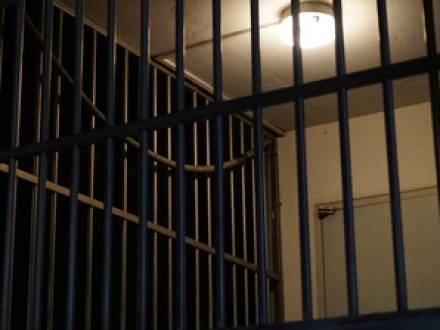 One of the first questions most people have after getting arrested is how to get out of jail as quickly and cheaply as possible. A personal recognizance bond – commonly called a PR bond – is the fastest and cheapest option. If you or someone you love has been arrested in 2026 and you're trying to understand your bail options, a Dallas, TX bail bondsman can help you understand if you qualify for a PR bond.
A PR bond is a court-issued release that allows someone to get out of jail without paying any money up front. Instead of posting bail, the defendant promises in writing to appear at all future court dates. Courts use PR bonds for defendants they believe will be trustworthy and follow through on their promise.
This is different from a traditional bail bond. Traditional bail involves a cash amount that is either paid directly to the court or secured through a bail bondsman. With a PR bond, no money changes hands when someone is released. If the defendant doesn’t appear in court after being released on a PR bond, they can face serious consequences. These could include a warrant for their arrest and liability for the full bond amount set by the court.
Judges decide who gets a PR bond on a case-by-case basis. Under Texas Code of Criminal Procedure Article 17.03, courts have the authority to release eligible defendants on personal bond without requiring cash bail. Not everyone who asks for one will get one. Judges look at several factors to decide whether a defendant is a low enough risk to be released on their word alone.
Factors that often work in a defendant's favor include:
No prior criminal record (or a minimal one)
No history of failing to appear for court dates
Strong ties to the local community, such as steady employment, family in the area, or long-term residency
Non-violent or minor charges are being made
No sign that the defendant is a danger to others
Defendants facing serious felony charges, those with a history of skipping court, or those considered a flight risk are much less likely to be granted a PR bond. Even when a PR bond is technically possible for a certain charge, there's no guarantee a judge will grant one.
Some PR bonds come with conditions set by the court that the defendant must follow while awaiting trial. Common conditions include regular check-ins with a pretrial supervision officer, drug or alcohol testing, and travel restrictions. In some cases, judges also ask for electronic monitoring.
Violating any of these conditions can result in the PR bond being revoked. This means the defendant goes back to jail and may face a cash bail requirement before they can be released again. Taking the conditions of a PR bond seriously is just as important as showing up to court.
If the judge doesn't grant a PR bond, that doesn't mean the defendant has to pay the whole bail amount or stay in jail until their trial date. A traditional bail bond is the next option. With a bail bond, a bail bondsman posts the full bail amount on the defendant's behalf in exchange for a fee. The fee is typically a percentage of the total bail. The defendant gets out of jail, and the bondsman takes on the responsibility of making sure they appear in court. If the defendant doesn’t appear, the bondsman has the authority to look for them and hand them over to the authorities.
If someone you care about has been arrested and you need to understand your options quickly, we're ready to help. Before our Dallas, TX bail bondsman started his bail bonds company, he spent years as a general manager for a professional baseball team. This experience taught him how to build a reliable team and navigate complex situations with a clear head. He uses this same knowledge when creating bail bonds for his customers. Call Doc's Bail Bonds at 214-747-4110 to get started right away.


With seven offices in 6 counties, Doc's Bail Bonds serves the following areas, including but not limited to Dallas, Denton, McKinney, Bonham, Garland, Sherman, Allen, Frisco, Richardson, Carrollton, Irving, Mesquite, Farmers Branch, Flower Mound, Lewisville, The Colony, Rockwall, Dallas County, Fannin County, Denton County, Collin County, Rockwall County and Grayson County.



 The use of the Internet or this form for communication with the firm or any individual member of the firm does not establish an attorney-client relationship. Confidential or time-sensitive information should not be sent through this form.
I have read and understand the Disclaimer and Privacy Policy.