214-747-4110
163 Pittsburg Street, Suite A2, Dallas, TX 75207
940-383-4600
909 E. McKinney St., Denton, TX 76209
972-562-6057
1502 W. University Suite #101, McKinney, TX 75069
469-500-2212
550 Vigor Way, Suite 102, Rockwall, TX 75087


Blog
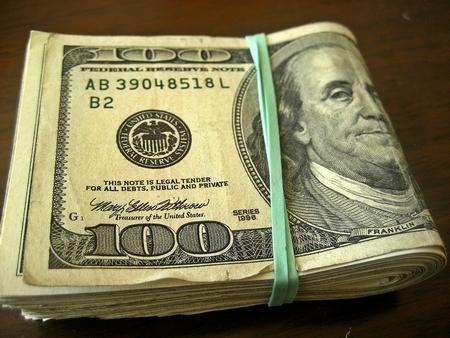
Many people understand that paying bail allows someone to get out of jail more quickly. What they don’t understand is how much bail will actually end up costing, or how the judge decides on the amount. Understanding both of these can help anyone hoping to post bail for themselves or for someone else make better plans for what happens next. A McKinney bail bondsman can help you understand how the bail process will look for your specific case.
After an arrest, a judge sets the bail amount at a hearing. The number isn't random. Texas Code of Criminal Procedure Article 17.15 outlines the rules judges must follow when setting bail. The bail amount is supposed to be enough to guarantee the defendant shows up to court. It isn’t meant to be used as punishment.
Judges weigh several factors when deciding how much bail to require, including:
For minor charges, bail may be set at a few hundred or thousand dollars. For serious felonies, it can be hundreds of thousands. In some cases, a judge may deny bail altogether if they believe the defendant is too dangerous or too likely to run away.
There’s also something called the "felony bonds schedule" that may be used as a starting point for bail amounts. This is basically a list of bond amounts for different charges. More serious or repeat offenses have higher bond amounts associated with them. Each county has its own bond schedule. Looking up the schedule for your county may give you a rough idea of what bail will be, though judges are not required to use the bonds schedule when setting bail amounts.
There are actually some cases where the court allows what’s called a "personal bond." These are cases where someone is released from jail without having to post bail at all. They’re used for minor crimes where the court has confidence the perpetrator will show up to their court date. If they don’t show, they’re liable for the full bail amount.
If you are not given a personal bond, how much you end up paying depends on what crime you were charged with, how you post the bail, and your bail bondsman.
If you have the cash, you can pay the full bail amount directly to the court. If the defendant appears at all required court dates, that money is returned at the end of the case. The only money you’ll lose will be fees from the court case, which are usually small. However, most families don't have tens of thousands of dollars sitting around, which is where bail bonds come in.
A bail bond allows someone else to post bail for you. This person, called a bail bondsman, will take a fee on top of the bail amount. Different bondsmen will charge different amounts. Many in Texas charge 10 percent of the total bail amount. For small bail amounts (less than $1,000), some will charge more than 10 percent. If you are a repeat offender or have forfeited bonds before, the price may be higher.
Depending on the situation, there may be other costs involved besides the percentage the bail bondsman takes:
Understanding the full picture before you sign anything is important. A good bail bondsman will walk you through every cost before you commit.
When a defendant fails to appear, the court issues a warrant for their arrest and may forfeit the bond. That means the court can collect the full bail amount from the bondsman, who will then look to recover that money from whoever signed for the bond or put up collateral.
Most bondsmen have a window of time to locate the defendant and bring them back to court before the full forfeiture takes effect. This process can be stressful and costly for everyone involved. The much better and easier option is to show up for all court dates.
It's possible to request a bail reduction in Texas. An attorney can file a motion arguing that the bail amount is excessive given the circumstances. The judge will consider the same factors as the original bail hearing. If the defendant has strong community ties, a clean record, and isn't a flight risk, there may be grounds for a lower number.
Getting someone out of jail quickly in 2026 takes the right team in your corner. Our McKinney bail bondsman brings a unique background to bail bonds. Before Doc started a bail bonds company, he was a general manager for a professional baseball team, and that experience gave him years of practice building a strong team and knowing the rules of the game inside and out. He'll work with you to make sure you understand every step of the process. Call Doc's Bail Bonds at 214-747-4110 today.


With seven offices in six counties, Doc's Bail Bonds serves the following areas, including but not limited to Allen, Anna, Blue Ridge, Bonham, Carrollton, Celina, Dallas, Denton, Fairview, Farmers Branch, Farmersville, Flower Mound, Frisco, Garland, Irving, Josephine, Lavon, Lewisville, Lowry Crossing, Lucas, McKinney, Melissa, Mesquite, Murphy, Nevada, New Hope, Parker, Plano, Princeton, Prosper, Richardson, Rockwall, Sherman, The Colony, and Weston, Wylie, as well as Collin County, Dallas County, Denton County, Fannin County, Grayson County, and Rockwall County.



 The use of the Internet or this form for communication with the firm or any individual member of the firm does not establish an attorney-client relationship. Confidential or time-sensitive information should not be sent through this form.
I have read and understand the Disclaimer and Privacy Policy.