214-747-4110
163 Pittsburg Street, Suite A2, Dallas, TX 75207
940-383-4600
909 E. McKinney St., Denton, TX 76209
972-562-6057
1502 W. University Suite #101, McKinney, TX 75069
469-500-2212
550 Vigor Way, Suite 102, Rockwall, TX 75087


Blog
How long will it take to get released from jail is one of the more common questions you will come across when researching the bail process. It's understandable. Jail is a nasty place where your freedoms go to die, and any time there as a 'guest' is too much.
When you're in jail, you march to someone else's orders and life as you knew it on the outside changes in some not so flattering ways.
So if you are arrested, what can you expect?
It's not uncommon for booking and bail to take no longer than three hours. But really, it depends on your means and your support unit. Do you have the money on your own to post bail? If not, do you know someone who will go to bat for you?
Intake is generally a quick process unless you have been booked into county jail, which takes longer than municipal detention facilities. It involves the mugshot and fingerprinting. That leads to your one entitled phone contact. In this case, you'll need to arrange with a bail bond officer yourself or have someone else do it for you. But not all bail bondsmen are the same. Some have a 'guilty until proven innocent' approach. They make the process unnecessarily difficult with poor customer service and a judgmental overtone.
Contempt of court, in simple terms, is when you disrespect the authority of the court. That sounds rather arbitrary, but certain factors must be in place before you can be found guilty of such a crime.
(And yes, you have to be found guilty of it. Judges can't just exercise this authority willy-nilly, contrary to popular belief.)
The threat of jail time has fueled many a nightmare since America's prison system emerged, and since 1991, our Doc's Bail Bonds Farmers Branch location near Denton has helped to quell some of those fears.
Give Doc's a call should you require bonding services at the Farmers Branch Detention Center. Our Denton office serves that location, and we are located close to the site, allowing us access to key personnel and working knowledge that will make for a smoother overall service to incarcerated persons and their families.
The Farmers Branch Justice Center is the technical name for the building where detention services are managed. The site employs 16 detention officers overseen by Lt. Chris Damours. Damours' procedures and employees work well with Doc's Bail Bonds, and everyone there takes their work and the safety of the inmates very seriously.
When you hire Doc's Bail Bonds, either for your own needs or the needs of a loved one locked up at Farmers Branch, we automatically know whom to contact, whom to pay, and other steps to take to ensure a quick release. Whether you're the one in jail or not, an arrest can cause ripples throughout the family. We don't want that to happen, and we will do everything in our power to lessen the impact.
Posting bail can be a confusing process when you are unfamiliar with local procedures, locations, and personnel, and that's where Doc's Flower Mound Bail Bonds office near Denton can help.
Contact Doc's if you or your loved one find yourself in the Flower Mound Jail. We have an office nearby, and we are plugged into how Chief Andy Kancel and his staff operate. We maintain an intimate knowledge of how the jail does business, who is on duty, and what they expect from you.
The Flower Mound Jail is housed at the same location as the Flower Mound Police Department at 4150 Kirkpatrick Lane in the sprawling Dallas suburb. If you or a loved one is arrested, this is your next stop.
When you contract with Doc's Bail Bonds at the Flower Mound location, we will contact and remit the required payment, so the life of you or your loved one does not have to be placed on hold between now and the next hearing date. Getting your day in court doesn't usually follow a straightforward, predictable timeline. Posting bail helps ease pressures that go along with the waiting game.
Hiring a bail bondsman can, for somebody facing the prospect of going to jail or watching a loved one go to jail, make all the difference between stress and humiliation and freedom and joy. However, this is only if you know how to identify a reputed and professional bondsman at this difficult time.
To find a company like Docs Bail Bonds, we have a very old base of satisfied clients and very few complaints or grievances, you first need to understand how Texas regulates bail bondsman and the complaints.
Unlike other types of bonds offering insurance and allied services, bail bonds—formally described as Criminal Court Appearance bonds—are not regulated by the Texas Department of Insurance. In fact, the Texas Insurance Code expressly exempts bail bonds from being regulated by its provisions.
The Bail Bond Boards
In Texas, bail bond firms are regulated by the provisions of Chapter 1704 of the Texas Occupations Code. The Code requires counties with population of 110,000 or more to compulsorily setup a Bail Bond Board. For counties with lower population, setting up the Board is recommended although not mandatory.
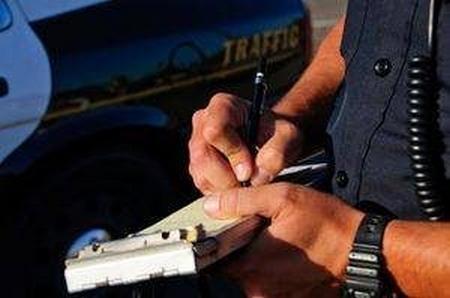
Early in 2017, the Dallas City Council approved a program that is known by the name of Marijuana Cite-and-Release. It was officially approved in April. Though it lessens the legal consequences of being caught with marijuana, it is not considered to be decriminalization.
The policy was put into effect on Friday, December 1st. It states that some individuals are able to walk away from being caught with marijuana, with only a ticket. It is still illegal in both Dallas and Texas as a whole. This means that people cannot just purchase marijuana and smoke it as they please.
The way that this works is that individuals who live in the Dallas County part of the city who is stopped within the area with four ounces or less of the drug will only be given a citation. They will not be arrested, and may not have to serve any jail time at all. This only applies to a person who has not had any other convictions, does not hold any outstanding warrants, is at least 17 years of age, and has either a driver's license or state ID for Texas.
The bail bond is an integral part of the criminal justice because it is just not possible to keep all accused persons in detention until completion of the trial where they are found guilty and sentenced or pronounced innocent and set free. The bail bond involves the accused submitting a financial bond, which will lapse if he/she does not show up for the court proceedings.
However, some parts of Texas have come under the scanner for setting bonds so high that it becomes impossible for the accused to post bail and avoid detention. A federal judge recently declared the Harris County bail system to be unconstitutional, which has prompted Dallas county commissioners to initiate steps to revamp the system.
It is expected that those accused of crimes and facing detention will find it within their financial reach to post bail and avoid detention. An excessively-strict bail bond regime in Dallas is ironic considering there was a time when the Dallas County Pre-trial Release program was criticized for being too lenient and for allowing detainees to post bail at excessively-low bonds.
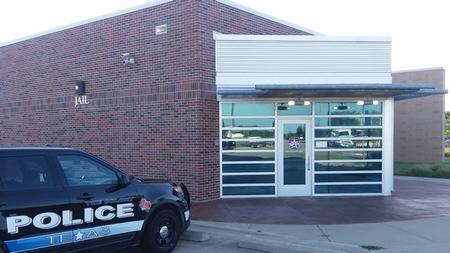
Locked up in The Colony city jail and need a Bail Bond? Doc's Bail Bonds can help!
Our firm can help you post bail in virtually every town or city in the North Texas region. We have a 24-hour service in McKinney, which is the seat of the Denton County jail and are just a phone call or email away from helping you secure your freedom.
Our 24×7 service covers all major cities and towns in the county including The Colony, Frisco, Addison, Plano, and Richardson. We even have an office in Richardson located near the City Jail, which means you can choose the office located closed to The Colony or nearby towns to post bail with minimal delays and hassles.
The Colony's city jail is is located at 5151 N. Colony Blvd, The Colony, TX. 75056. The contact number of The Colony Police Department is 972-625-1887. You can contact the jail authorities directly for posting Bail Bonds The Colony TX by calling 972-624-3944.
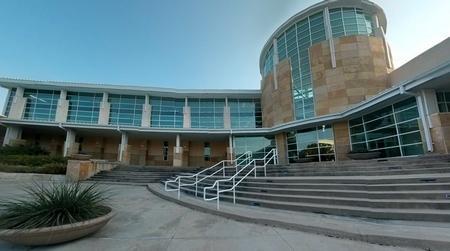
We can bond you right out of the Allen City Jail so you don't get sent up to County. Give us a call.
The city of Allen in Collin County in Texas is one of the three cities in the county that has a jail for prisoners guilty of committing Class C misdemeanors. The Municipal court of Allen is the adjudicating authority for fines-only offenses committed within its jurisdiction.
If the police and court at in the city of Allen have jurisdiction over the offense, then you may have to post bail with the policy authorities in the city to free your loved one.
If your friend, relative, or loved one has been arrested for a Class B or Class A offense, then he or she shall be transferred to the Collin County jail, which is the only jail in the county for imprisonment of those found guilty of committing offenses other than Class C misdemeanors. In such a case, you will have to complete the formalities at the Collin County jail.
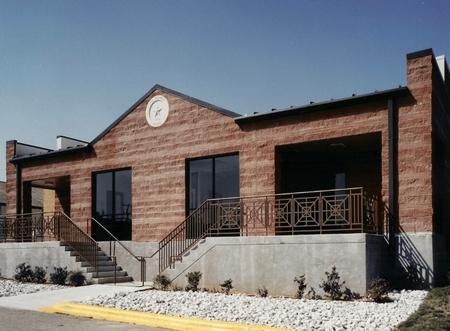
Hillsboro
Doc's Bail Bonds proudly serves the City of Hillsboro and all of Hill County, including but not limited to Abbott, Aquilla, Blum, Brandon, Carl's Corner, Covington, Hubbard, Itasca, Malone, Mount Calm, Peoria, & Whitney.
Our Hillsboro location is conveniently located less than five minutes from both Hill County Jails. To help reduce the stress, we are proud to offer Bail by phone, fax & email. Of course, we also provide bail by appointment too!
We are here to help! That's who our friendly & knowledgeable staff is available to you so that you can get back to your life! There are no credit checks, collateral is accepted as cash and financing is available. Free Parking is always available at our location! Se Habla Espanol!


With seven offices in 6 counties, Doc's Bail Bonds serves the following areas, including but not limited to Dallas, Denton, McKinney, Bonham, Garland, Sherman, Allen, Frisco, Richardson, Carrollton, Irving, Mesquite, Farmers Branch, Flower Mound, Lewisville, The Colony, Rockwall, Dallas County, Fannin County, Denton County, Collin County, Rockwall County and Grayson County.




 The use of the Internet or this form for communication with the firm or any individual member of the firm does not establish an attorney-client relationship. Confidential or time-sensitive information should not be sent through this form.
I have read and understand the Disclaimer and Privacy Policy.