214-747-4110
163 Pittsburg Street, Suite A2, Dallas, TX 75207
940-383-4600
909 E. McKinney St., Denton, TX 76209
972-562-6057
1502 W. University Suite #101, McKinney, TX 75069
469-500-2212
550 Vigor Way, Suite 102, Rockwall, TX 75087


Blog

The bail amount a judge will set for a defendant can seem like an arbitrary number, but there is a certain logic to it. Courts are known to base the amount on three factors:
While these factors hold true, there is another factor that weighs in thanks to the Eighth Amendment of the Constitution, which dictates courts must not set excessive bail. As such, the financial means of the accused must weigh in at some point.
Unfortunately, 'excessive bail' is about as descriptive as the Eighth Amendment gets. Courts have worked through case law to bring the meaning a little more into focus. Basically, excessive bail is anything so high there's little chance the accused can actually pay it.
That said, courts have the ability to set bail at very high amounts should they be able to prove a compelling interest in doing so. (See the factors bulleted above.) If a court does set the bail amount too high, they could be viewed as unfairly incarcerating you prior to your actual trial. The courts have to be able to justify their decision, and that's where the above factors are so crucial to the defendant's rights.

Posting bail when under arrest for a serious offense can seem staggering. Depending on the charges, the amount can run into many thousands — even hundreds of thousands — of dollars.
But some of the hesitation to post bail emanates from not fully knowing how the process works. When a bond is set at $500,000, for instance, posting places one on the hook for just 10 percent of the total.
From there, it's up to the accused to make the court date to ensure the full amount of the bond isn't triggered. Of course, $50,000 is still a lot of money, and numbers like that could discourage doing anything at all. But that, too, can be a serious mistake. In the following article, we'll show you how by examining some of the unintended consequences. Let's begin.
Most employers will not fire an innocent person until they're proven otherwise — at least not for the crime itself. But criminal charges make an employer very uncomfortable, and if you have to miss a lot of work on account of being locked up, you end up giving them an easy out to get rid of you. When you lose a job against your will, you end up having a black mark on your resume that makes it more difficult to find future positions. There's also the loss of money in the short term to worry about — something that can spill over into other aspects of your life.
Bail bonds are not an exact science. Depending on the charge you face, it can be anywhere from minuscule to too-expensive-to-afford even by the 10 percent posting standards.
Sexual assault is one of the more serious charges that will give a judge pause before he decides a case is bond-eligible. While a recent sexual assault bail amount in Spain was set at the U.S. equivalent of just $7,000, our country — and especially, the state of Texas — takes the charge more serious.
Even so, there are a variety of factors in play before a final amount can be determined (or if the case will be bail-eligible at all). Let's have a look at each one.
The court will look at the nature of the sexual assault charge, the background of the alleged perpetrator, and their proximity to the victim when making the determination if an immediate harm exists (i.e., is there a significant chance of recurrence during the time the alleged attacker is free). It also should be noted that immediate harm could apply to the accused. If he or she is a danger to themselves, the court may prefer them to be under closer supervision. Furthermore, if a family member of the alleged victim has made threats and presents a plausible danger to the accused, it may be best to hold them in protective custody.
The ability to get out of jail when arrested is the only one that matters when you are faced with incarceration. If you're new to it, all you can think about is how you don't belong. How all the obligations of home and work are going unchecked.
You're not even thinking about a legal strategy. Only how your life might be falling apart without you. Fortunately, there are several ways you can get out of jail. Here are the most common:
For light misdemeanors, particularly first-time offenses, it's not uncommon for a judge to allow your release without setting bail. Generally, the crime you committed must be non-violent, and you should be relatively stable in your home and professional life. Don't expect this outcome if your offense put others in danger.
Cash bonds also are reserved for low-level crimes where the suspects are not at risk of leaving town or no-showing their court appearance. These bail amounts can be $1,000 or less. The suspect or their supporters might even be able to cover the full amount without the need for a bond service.
How long will it take to get released from jail is one of the more common questions you will come across when researching the bail process. It's understandable. Jail is a nasty place where your freedoms go to die, and any time there as a 'guest' is too much.
When you're in jail, you march to someone else's orders and life as you knew it on the outside changes in some not so flattering ways.
So if you are arrested, what can you expect?
It's not uncommon for booking and bail to take no longer than three hours. But really, it depends on your means and your support unit. Do you have the money on your own to post bail? If not, do you know someone who will go to bat for you?
Intake is generally a quick process unless you have been booked into county jail, which takes longer than municipal detention facilities. It involves the mugshot and fingerprinting. That leads to your one entitled phone contact. In this case, you'll need to arrange with a bail bond officer yourself or have someone else do it for you. But not all bail bondsmen are the same. Some have a 'guilty until proven innocent' approach. They make the process unnecessarily difficult with poor customer service and a judgmental overtone.
Contempt of court, in simple terms, is when you disrespect the authority of the court. That sounds rather arbitrary, but certain factors must be in place before you can be found guilty of such a crime.
(And yes, you have to be found guilty of it. Judges can't just exercise this authority willy-nilly, contrary to popular belief.)
The threat of jail time has fueled many a nightmare since America's prison system emerged, and since 1991, our Doc's Bail Bonds Farmers Branch location near Denton has helped to quell some of those fears.
Give Doc's a call should you require bonding services at the Farmers Branch Detention Center. Our Denton office serves that location, and we are located close to the site, allowing us access to key personnel and working knowledge that will make for a smoother overall service to incarcerated persons and their families.
The Farmers Branch Justice Center is the technical name for the building where detention services are managed. The site employs 16 detention officers overseen by Lt. Chris Damours. Damours' procedures and employees work well with Doc's Bail Bonds, and everyone there takes their work and the safety of the inmates very seriously.
When you hire Doc's Bail Bonds, either for your own needs or the needs of a loved one locked up at Farmers Branch, we automatically know whom to contact, whom to pay, and other steps to take to ensure a quick release. Whether you're the one in jail or not, an arrest can cause ripples throughout the family. We don't want that to happen, and we will do everything in our power to lessen the impact.
Posting bail can be a confusing process when you are unfamiliar with local procedures, locations, and personnel, and that's where Doc's Flower Mound Bail Bonds office near Denton can help.
Contact Doc's if you or your loved one find yourself in the Flower Mound Jail. We have an office nearby, and we are plugged into how Chief Andy Kancel and his staff operate. We maintain an intimate knowledge of how the jail does business, who is on duty, and what they expect from you.
The Flower Mound Jail is housed at the same location as the Flower Mound Police Department at 4150 Kirkpatrick Lane in the sprawling Dallas suburb. If you or a loved one is arrested, this is your next stop.
When you contract with Doc's Bail Bonds at the Flower Mound location, we will contact and remit the required payment, so the life of you or your loved one does not have to be placed on hold between now and the next hearing date. Getting your day in court doesn't usually follow a straightforward, predictable timeline. Posting bail helps ease pressures that go along with the waiting game.
Hiring a bail bondsman can, for somebody facing the prospect of going to jail or watching a loved one go to jail, make all the difference between stress and humiliation and freedom and joy. However, this is only if you know how to identify a reputed and professional bondsman at this difficult time.
To find a company like Docs Bail Bonds, we have a very old base of satisfied clients and very few complaints or grievances, you first need to understand how Texas regulates bail bondsman and the complaints.
Unlike other types of bonds offering insurance and allied services, bail bonds—formally described as Criminal Court Appearance bonds—are not regulated by the Texas Department of Insurance. In fact, the Texas Insurance Code expressly exempts bail bonds from being regulated by its provisions.
The Bail Bond Boards
In Texas, bail bond firms are regulated by the provisions of Chapter 1704 of the Texas Occupations Code. The Code requires counties with population of 110,000 or more to compulsorily setup a Bail Bond Board. For counties with lower population, setting up the Board is recommended although not mandatory.
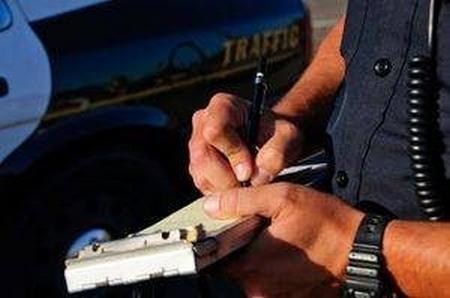
Early in 2017, the Dallas City Council approved a program that is known by the name of Marijuana Cite-and-Release. It was officially approved in April. Though it lessens the legal consequences of being caught with marijuana, it is not considered to be decriminalization.
The policy was put into effect on Friday, December 1st. It states that some individuals are able to walk away from being caught with marijuana, with only a ticket. It is still illegal in both Dallas and Texas as a whole. This means that people cannot just purchase marijuana and smoke it as they please.
The way that this works is that individuals who live in the Dallas County part of the city who is stopped within the area with four ounces or less of the drug will only be given a citation. They will not be arrested, and may not have to serve any jail time at all. This only applies to a person who has not had any other convictions, does not hold any outstanding warrants, is at least 17 years of age, and has either a driver's license or state ID for Texas.


With seven offices in six counties, Doc's Bail Bonds serves the following areas, including but not limited to Allen, Anna, Blue Ridge, Bonham, Carrollton, Celina, Dallas, Denton, Fairview, Farmers Branch, Farmersville, Flower Mound, Frisco, Garland, Irving, Josephine, Lavon, Lewisville, Lowry Crossing, Lucas, McKinney, Melissa, Mesquite, Murphy, Nevada, New Hope, Parker, Plano, Princeton, Prosper, Richardson, Rockwall, Sherman, The Colony, and Weston, Wylie, as well as Collin County, Dallas County, Denton County, Fannin County, Grayson County, and Rockwall County.




 The use of the Internet or this form for communication with the firm or any individual member of the firm does not establish an attorney-client relationship. Confidential or time-sensitive information should not be sent through this form.
I have read and understand the Disclaimer and Privacy Policy.